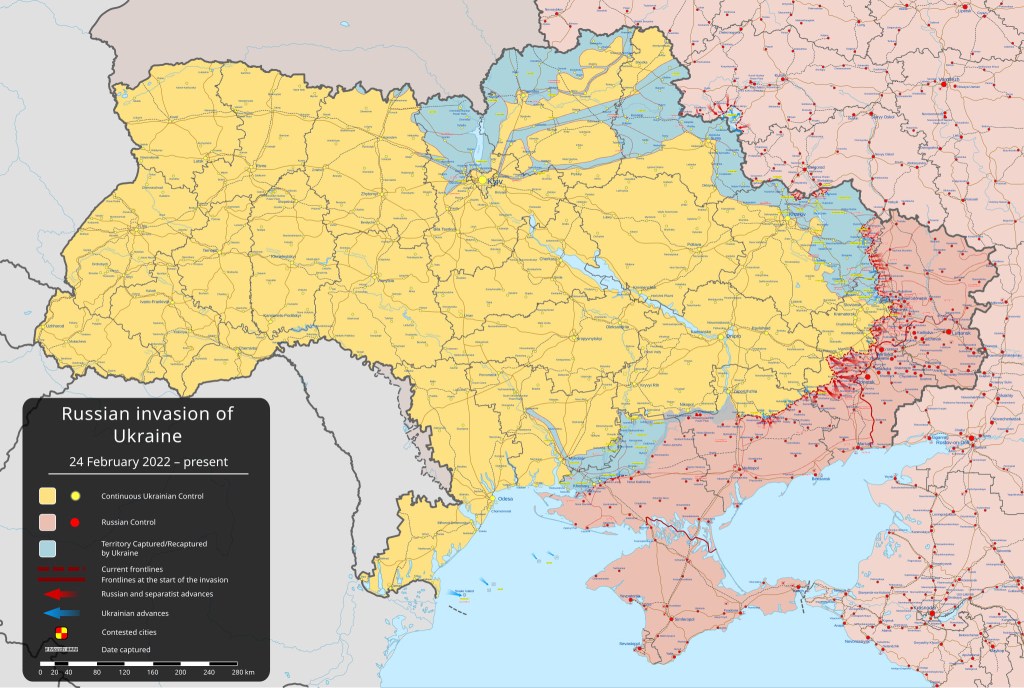
Serfdom, world wars, collectivism, famine, invasion, Sovietization — all these historically threatened Ukrainian kitchens with the loss of traditional dishes and culinary rituals.
Once again, Ukraine faces extremely challenging days as Russia and the U.S. have formed an alliance. Russian dictator Vladimir Putin is eager to swallow up Ukraine and force it to become subservient to the Russian state. As happens with all wars, the Ukrainian civilian population suffers along with the people serving in the trenches and foxholes.
Ukraine’s ultimate fate is important to me for many reasons.
Why?
I served as a Peace Corps volunteer in Fram, a small village in Paraguay, settled by Ukrainian and Japanese immigrants. Then, only one mud road threaded its way through the village, branching off only to a rustic wooden Eastern Orthodox church.
Since the 1920s, close to 40,000 Ukrainians made Paraguay their home. However, much of the intelligentsia emigrated to Canada, the United States, or Argentina.
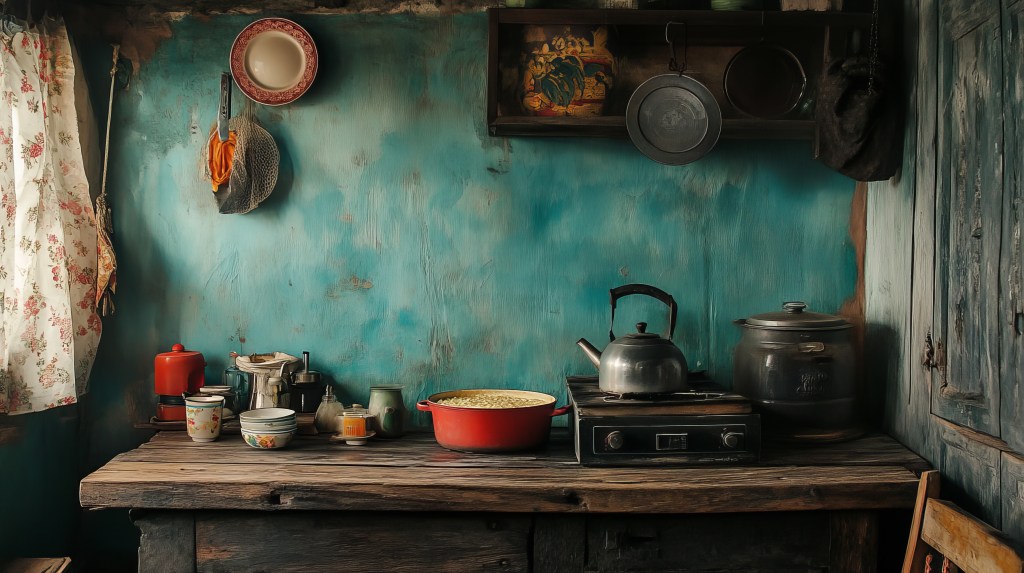
A family of Ukrainians settled in Fram and opened a pension, or guesthouse. The cook in that guesthouse, Doña Olga, relied on her Ukrainian heritage and prepared many dishes that obviously were not of Paraguayan origin. This image of a Ukrainian kitchen brings back many memories of Doña Olga’s kitchen, a poorly lit space with a large wood-burning iron stove.
How she managed to prepare meals in that kitchen still puzzles me. Often, there’d be nothing but scrambled eggs and manioc on my plate at the noon meal. When meat appeared in the shabby open-air market, in mere minutes the pig and cattle carcasses swinging from hooks at the butcher’s stall became as skeletal as a Halloween decoration. Word spread through the village that meat was available that day, with no need for phone calls. Word of mouth sufficed because no one had a telephone then. The only phone was in a booth at the post office, where you had to wait hours sometimes to make a call.
I recall all of this with great affection, for I see their faces, even if they are no longer in Ukraine or Paraguay, for that matter. My deep sympathy for the people of Ukraine fighting against the Russian bear stems from the hospitality of the people I knew so many years ago.
But, I digress. Like many young people at that age, I failed to ask the questions I now am asking.
As I read of the war in Ukraine, I think of Doña Olga and her family. And now I am asking the questions I should have asked back then. Since it’s highly unlikely that Doña Olga is still living, and I never did have a mailing address for her anyway, I turned to a few recent Ukrainian cookbooks for answers.
These books aim to resurrect many forgotten culinary gems of Ukraine’s culinary heritage.
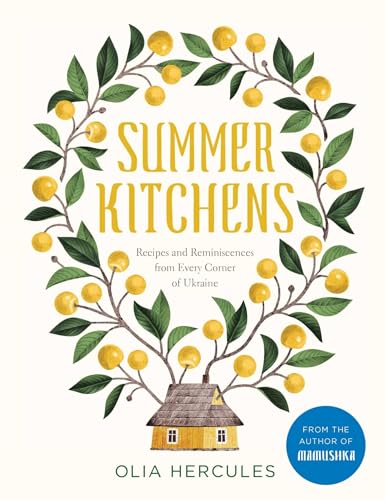
Olia Hercules, a Ukrainian food writer living in the U.K., wrote Summer Kitchens, a nostalgic look at a dying way of life.
The Table of Contents summarizes the book’s focus:
- Fermenting, pickling, and preserving: “The September Sessions”
- Breakfast and bites: “From Sunrise to Sunset”
- Broths and soups: “A Nourishing Bowl”
- Bread, pasta, and dumplings: “The Alchemy of Flour and Water”
- Vegetables: “From Field and Forest”
- Meat and fish: “From Pasture, River, and Sea”
- Cakes, desserts and pastries: “Life is Sweet”
In addition to the many inviting recipes, at the beginning of each chapter, Ms. Hercules includes short essays centered around culinary history.
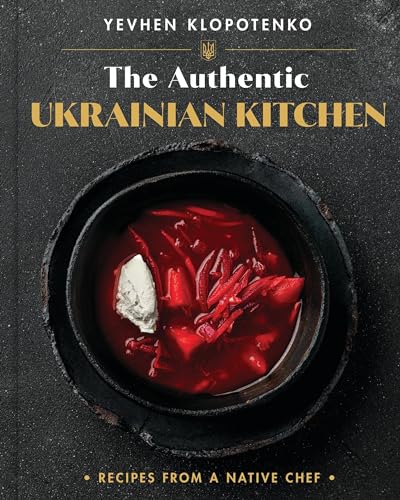
Another Ukrainian cookbook is Yevhen Klopotenko’s The Authentic Ukrainian Kitchen. The author’s intention is clear from the very beginning:
The USSR wasn’t just another imperialist force intent on colonizing Ukraine, but a behemoth determined to eradicate the heritages of its ethnic minorities and create a new, faceless, hegemonized culture devoid of individuality and regional differences.
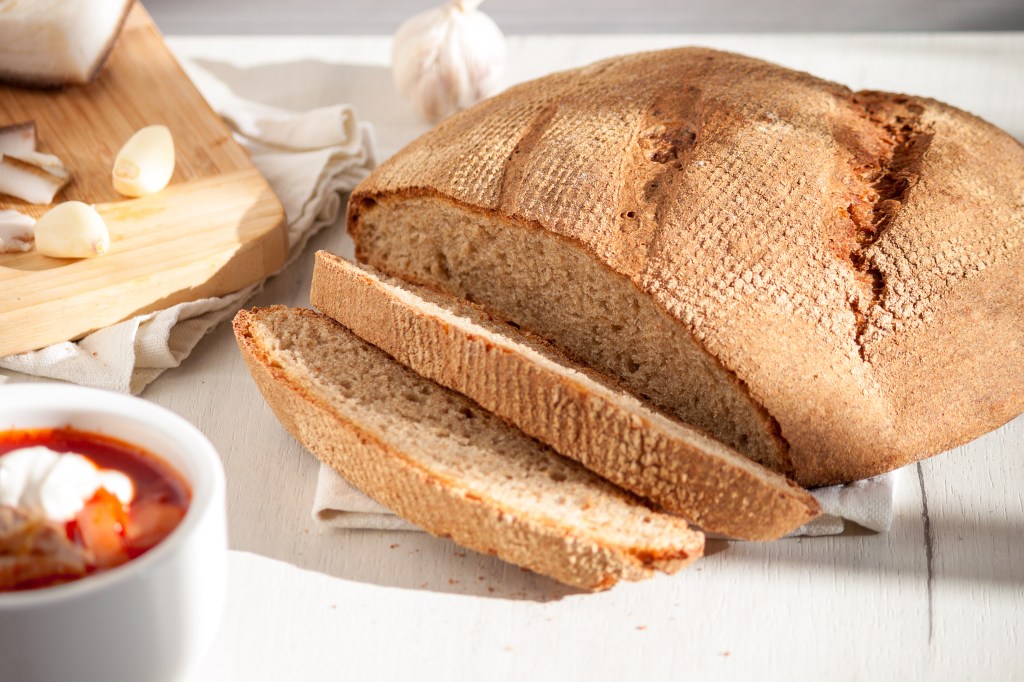
Consisting of eight chapters similar to Ms. Hercules’s book, The Authentic Ukrainian Kitchen includes recipes for many of the country’s signature dishes, including Borsch, the national treasure, and its many variations
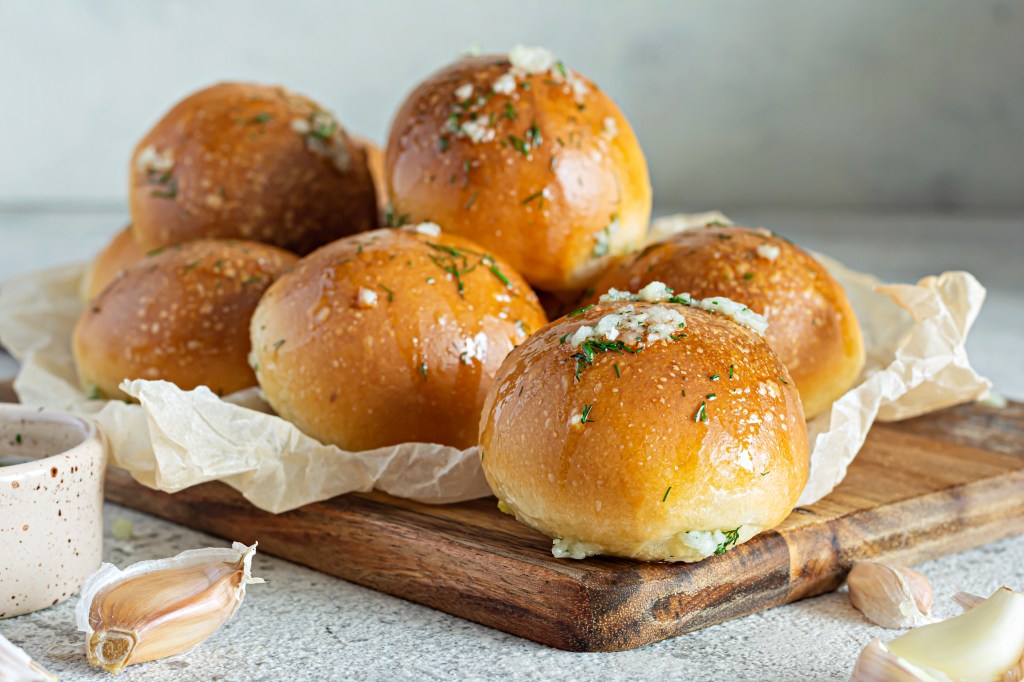
- Pampushky, easy garlic bread rolls
- Varenyky, dumplings stuffed with sweet or savory fillings
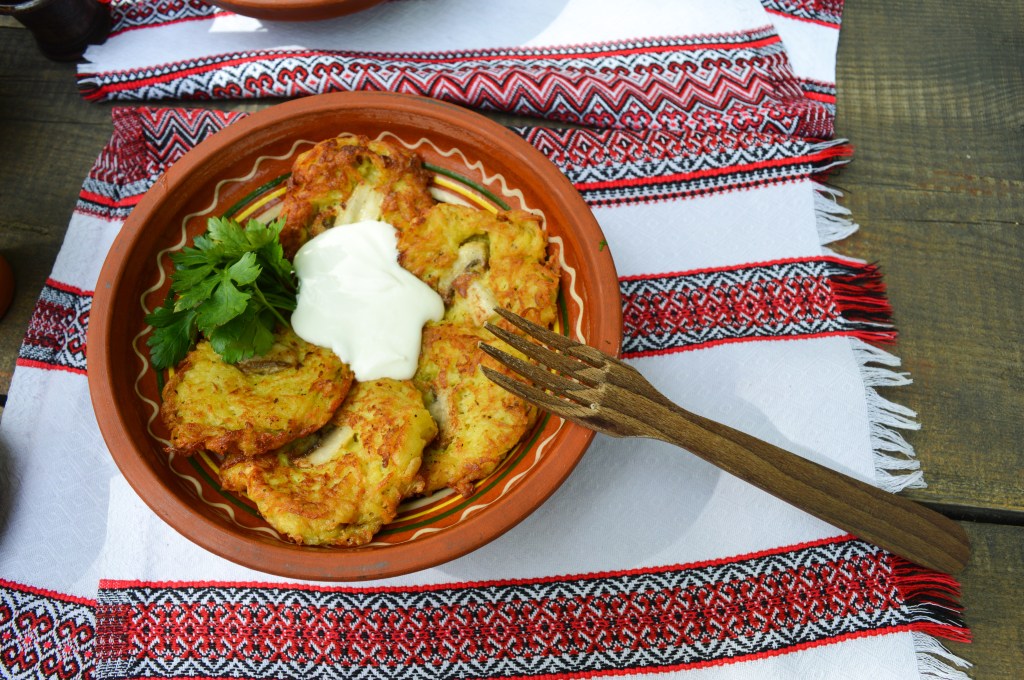
- Deruny, fried potato pancakes
- Sweet and savory breakfasts, simple salads and dips, and hearty braises
- Lviv-style cheesecake, nut torte, and many other desserts
- Vorschmack, a chopped herring spread
- Kholodets, an aspic with many regional variations
- Syrnyky, a farmer cheese pancake
- Borsh with pork ribs and smoked pears
- Tovchanka, mashed potatoes with poppy seeds, peas, and beans
- Khrinovuha, horseradish-infused vodka
Chef Yevhen Klopotenko describes his book as:
a love letter to the diverse culture and foodways of Ukraine — and a reclamation of the rich culinary cuisine as they were intended before Soviet influence and collectivization changed the trajectory of the cuisine throughout the 20th century.
Two other books celebrate Ukrainian cooking:
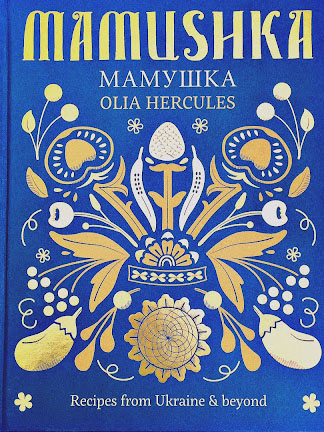
Olia Hercules’s Mamushka: Recipes from Ukraine & beyond
and
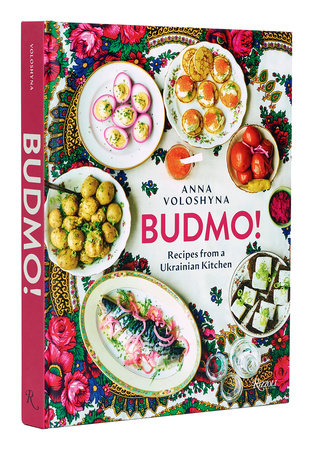
Anna Voloshyna’s Budmo! Recipes from a Ukrainian Kitchen:
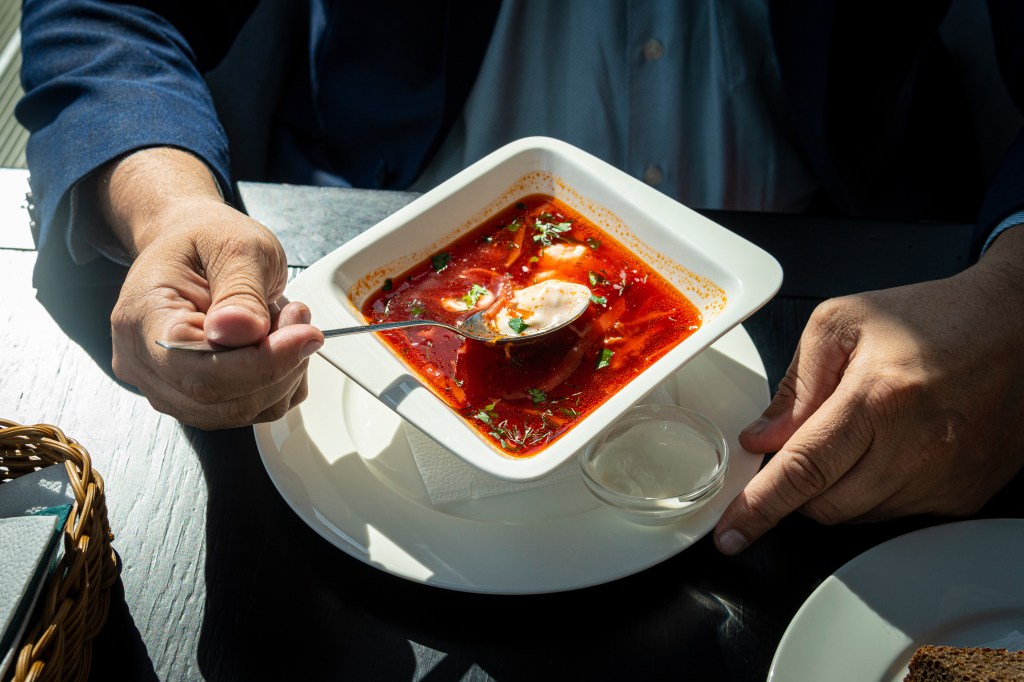
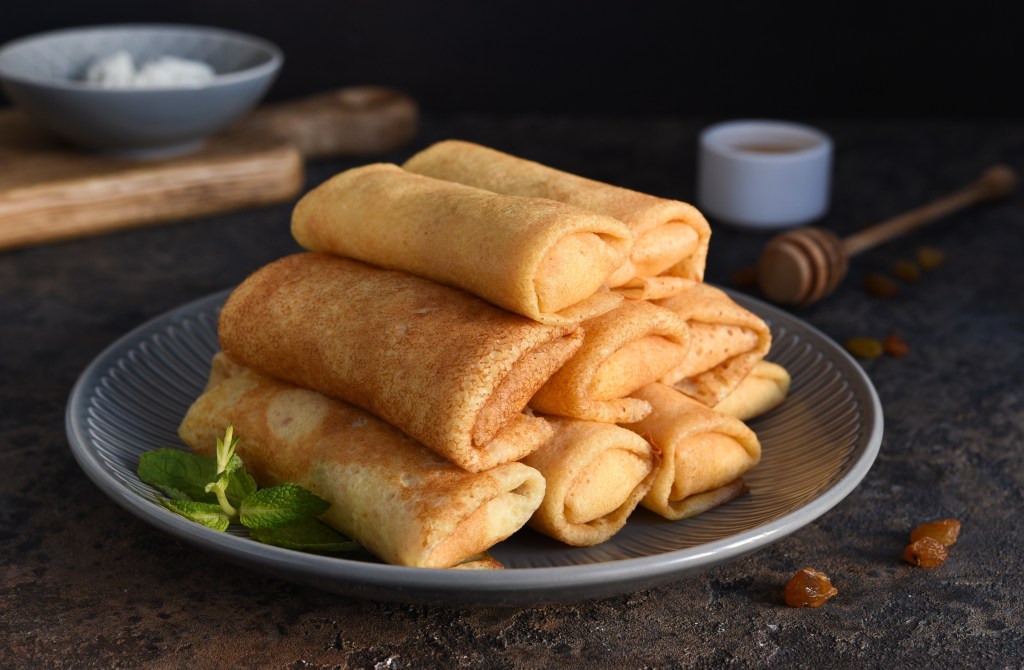
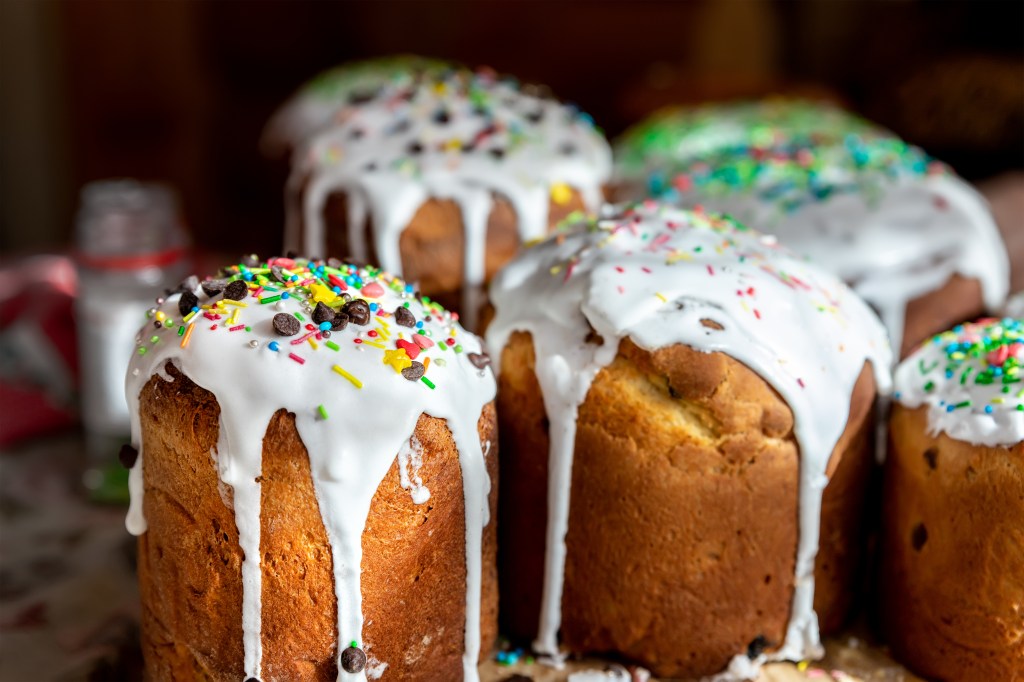
The following photographs display some of the many treats for adventurous cooks. All four cookbooks include recipes for most of the dishes.
For more about Ukraine and its history, check out the New York Public Library’s guide, “Understanding the History of Ukraine: Recommended Reading.” It needs updating but still provides a good, solid beginning for anyone interested in the backstory of the current conflict.
 CYNTHIA D. BERTELSEN
You must be logged in to post a comment.