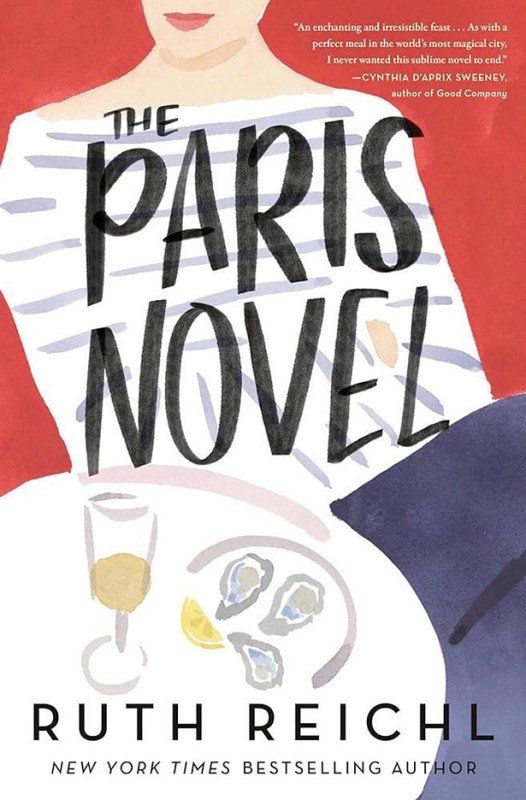
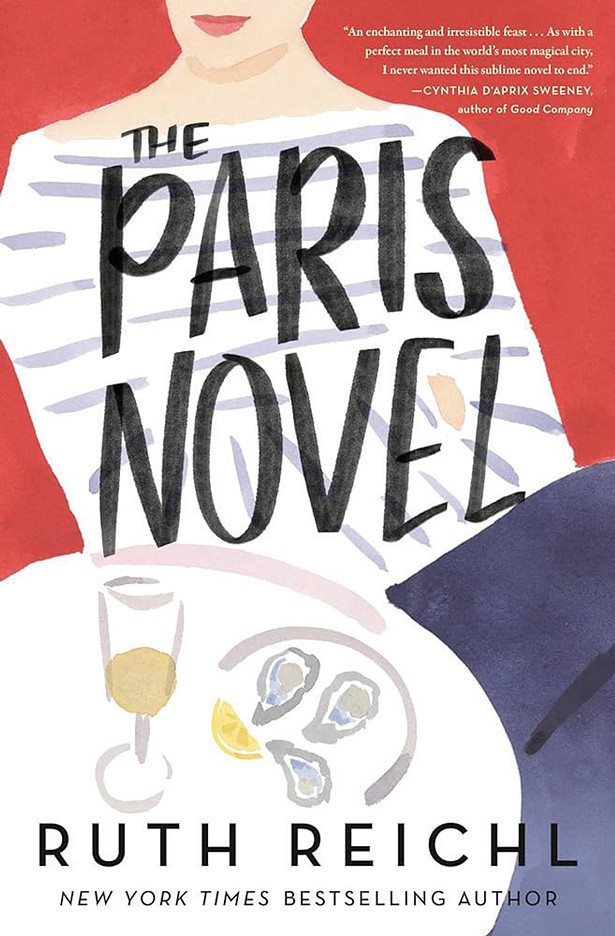
Despite preordering it, I hesitated before reading Ruth Reichl’s The Paris Novel when it came out on April 23, 2024.
Why?
I’d given up on her previous novel, Delicious (2014), for a reason I do not recall at the moment. Did I want to invest the time in reading a novel right now?
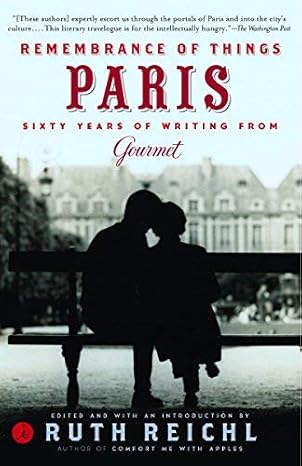
But I didn’t want to pass on a novel about Paris, my favorite city. And I knew that Ms. Reichl likely felt the same way I did about Paris. Afterall, as the former editor of Gourmet magazine, she’d compiled sixty years of writing from the magazine about Paris.
The best description I can give you about The Paris Novel is this: be prepared to relive one of your favorite childhood fairy tales. There’s a certain hint of Cinderella underlying the story of the main character, Stella St. Vincent. Yet, traces of Dante’s Inferno crop up, too, with a Virgil-like father figure leading the way.
Stella’s mother comes across as the wicked stepmother, even though she is indeed Stella’s mother, egotistical and self-absorbed. Be aware there’s a whisper of child sexual abuse in the early chapters of the book, which rather surprised me. But that explains a lot about Stella’s personality.
As for Stella’s father, mum’s the word, even though a painting of a gorgeous young man with dark hair hangs in their upscale New York apartment. Stella converses with the painting in the evenings when her mother is not at home, which is often.
Then one day, Stella’s mother dies. Everything now belongs to Stella on one condition: she must take a trip to Paris, the City of Light, with the money.
After much reflection and agonizing doubts, Stella flies to Paris.
Now the fun begins.
For one thing, Stella discovers food in all its French glory. As Reichl does it best, the food descriptions are almost orgasmic:
The oysters arrived on a deep bed of ice. She had never eaten an oyster, and she stared down at the platter. A ruffle of black encircled each opalescent heart. She thought of orchids. Triangles of lemon sat on the ice, and she picked one up and squeezed it, inhaling the prickly aroma. Then she reached for an oyster, tipped her head and tossed it back. The oyster was cool and slippery, the flavor so briny, it was like diving into the ocean. She closed her eyes to savor the experience, make it last.
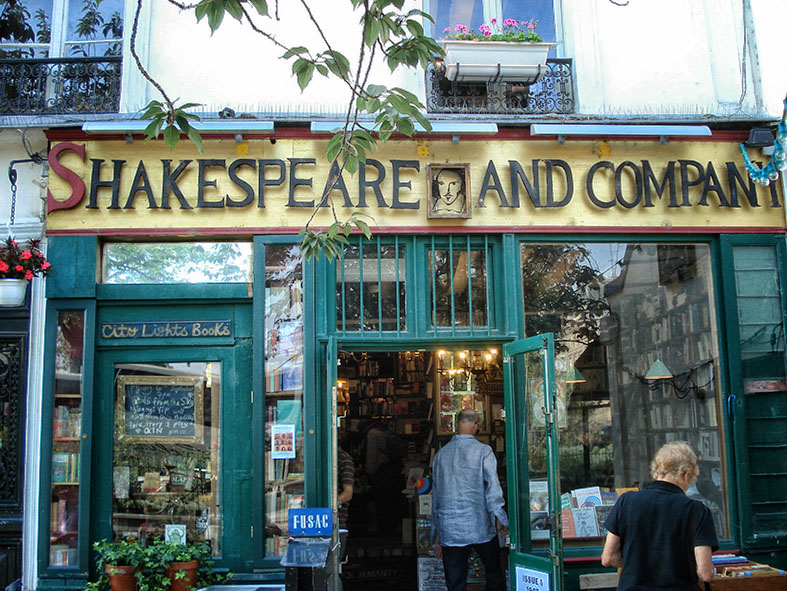
Stella meets people, both imaginary and real, throughout the book. The real people include the bookseller George Whitman of Shakespeare & Company and renowned food writer Richard Olney. A Virgil-like, imaginary figure named Jules accompanies Stella on her journey to herself and her awakening to the world’s pleasures.
Reichl mixes in well-known restaurants like Les Deux Maggots, Le Jeu de Paume art museum, and paintings. Manet’s “Olympia” serves as the jumping off point for a fascinating plot twist.
And then there’s the magical Dior of gauzy black fabric, a dress than causes a transformation…
I will let you decide whether or not you want to immerse yourself in Paris of the 1980s, a place that really no longer exists.
Yes, it’s a fairy tale. But even old, jaded readers need a touch of magic some days.
 CYNTHIA D. BERTELSEN
You must be logged in to post a comment.